 Adventure Camps
Camping in hot weather: how to stay cool, shaded and safe
Late spring and summer are when many Australians get their best camping in: long evenings, warm water and the school holidays. They're also when the heat can turn a relaxed weekend into a miserable or even dangerous one. The good news is that most hot-weather problems are solved before you leave home, with a bit of planning around shade, water and timing.
This guide covers what to check before you go, how to set up a cooler camp, and how to spot heat illness early. It's general information for typical car-based camping, so check the official sources linked at the end for your own trip.
Before you go: check three things
- The forecast and heatwave outlook. Queensland Health describes a heatwave as three or more days that are hotter than usual. The Bureau of Meteorology heatwave service shows where one is forecast. Look at overnight minimums too: hot nights are what stop people recovering.
- The fire danger rating. Ratings run from Moderate to High, Extreme and Catastrophic. On Extreme days fire authorities ask you to reconsider travel through bushfire risk areas, and on Catastrophic days the advice is to leave them altogether, the night before or early in the morning. A campsite surrounded by dry bush is exactly that kind of area.
- Park alerts. Campgrounds can close, or ban fires, at short notice during heat and fire weather. In Queensland, check the park alerts page for the specific park, and the equivalent page in other states.
If the forecast is brutal, moving the trip to a coastal campground, the cooler ranges or a different weekend is a sensible choice, not a failure.
Pick a cooler campsite
Where you pitch matters more than any gadget. When you arrive, take a few minutes to work out where the sun will be in the afternoon, because the westerly sun from about 2pm onwards is the hardest to escape.
- Afternoon shade first. A spot that gets morning sun and afternoon shade is ideal. Morning shade is nice; afternoon shade is what you'll actually be grateful for.
- Find the breeze. Open ground near the coast or a lake often catches a sea or lake breeze later in the day. Face tent doors and the living area towards it.
- Look up before you pitch. Trees give the best shade but can drop branches without warning, particularly in heat and wind. Avoid pitching directly under large dead limbs.
- Stay off heat sinks. Bare dirt, gravel and bitumen radiate heat well into the evening. Grass stays cooler.
Rig shade the smart way
A tarp or sun shelter turns a hot campsite into a liveable one. Rigging a tarp above your tent, with a clear gap of at least a hand-span between the tarp and the tent fly, blocks direct sun while letting hot air escape. A second tarp or shelter over the table and chairs gives you somewhere to sit through the middle of the day.
A note on labels: many beach tents and shelters are sold as "UPF 50+". According to the Australian Radiation Protection and Nuclear Safety Agency (ARPANSA), how well shade protects you also depends on the size of the shelter, its height, its position relative to the sun and where you sit underneath; the middle is better shaded than the edges. UV also bounces off sand, water and pale ground, so you can still burn in the shade.
Cancer Council Australia recommends using all five sun protection steps whenever the UV index is 3 or above, which in much of Australia covers most of the year: slip on covering clothing, slop on SPF50 or SPF50+ broad-spectrum water-resistant sunscreen (and reapply every two hours), slap on a broad-brimmed hat, seek shade and slide on sunglasses. Peak UV is usually between 10am and 4pm.
Gear mentioned in this guide, in stock now
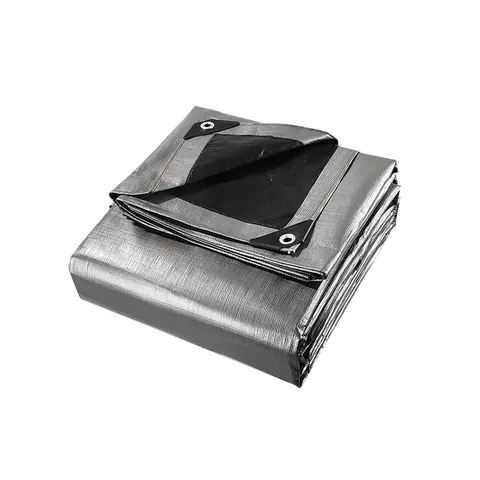
Instahut Tarp Tarpaulin 3.6 × 6m Canvas Camping Heavy Duty Sun Cover
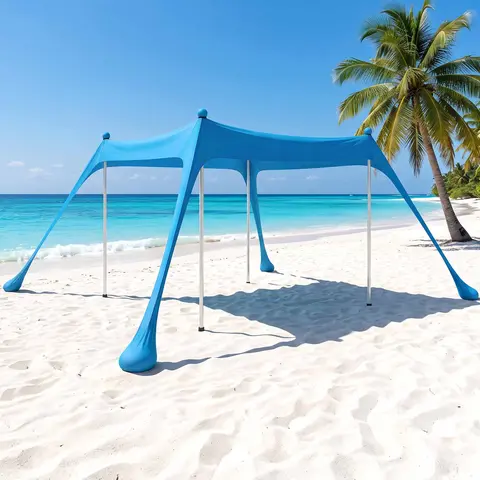
Weisshorn Beach Tent Sun Shelter UPF 50+ Shade 3x3m for 8 Person Outdoor
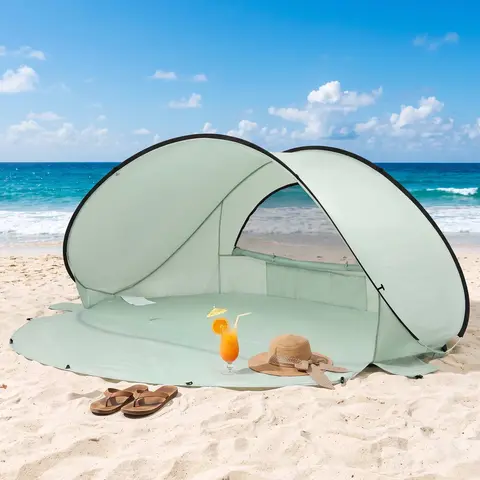
Weisshorn Pop Up Beach Tent UPF 50+ Sun Shade Shelter 2-3 Person Camping
Sold by Placid Deals. Prices and stock checked 17 Nov 2026, 8:36 am AEST; items that sell out drop off this page automatically.
Keep the tent from becoming an oven
- Pitch late or keep it open. A closed tent in direct sun heats up fast. Leave doors and vents open during the day, or pitch the inner tent later in the afternoon if your tent allows it.
- Use the mesh. Mesh panels and doors let air flow while keeping insects out. Roll the fly back on clear, calm nights only if your tent design allows it, and put it back before you sleep if storms are possible.
- Get off the ground. The ground holds heat into the night. A stretcher or airbed lets air move around you, and a cotton sheet is often all the bedding you need.
- Cool yourself, not the tent. A damp cloth on the back of the neck, a cool shower before bed and a hand-held battery fan can all help you get to sleep.
Our tent guide covers ventilation and fabrics in more detail, and the sleeping guide explains which mats suit warm nights.
Water: take more than you think
Queensland Health suggests most adults aim for around 2 to 3 litres of water a day in hot weather, unless a doctor has advised otherwise, and to drink regularly even when you don't feel thirsty. That's drinking water only. Add water for cooking, washing up, brushing teeth and cooling off, and the total per person climbs quickly.
- Don't assume there's water at camp. Many bush campgrounds have none, or untreated water that needs boiling or treating. Check the campground's listing and bring your own.
- Carry it in more than one container. If one leaks or tips over, you're not left with nothing.
- Keep drinking water shaded. Water left in the sun gets unpleasantly warm. Freezing a few bottles the night before gives you ice for the esky and cold water later.
- Go easy on alcohol and sugary drinks, which Queensland Health lists among the things that contribute to dehydration.
Food safety matters more in the heat too. Perishable food needs to stay at 5°C or below, which is harder when the air is 35°C. Our esky vs 12V fridge guide covers how to keep food cold for longer.
Gear mentioned in this guide, in stock now
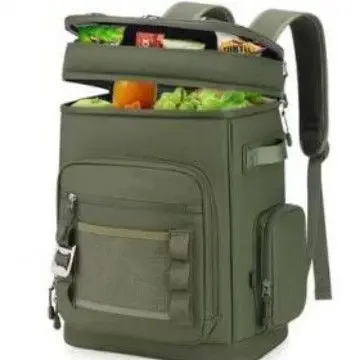
Large Capacity 30L Insulated Cooler Backpack Leakproof Waterproof Thermal Bag for Outdoor Picnic Camping Beach Fishing Travel Hiking and Day Trips (ArmyGreen)
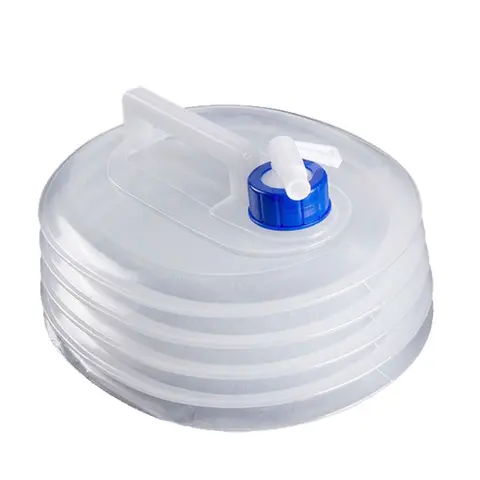
Collapsible Water Bucket, Emergency Water Storage Collapsible Water Container, Reuseable Foldable Leak Proof Portable 5L
Sold by Placid Deals. Prices and stock checked 17 Nov 2026, 8:36 am AEST; items that sell out drop off this page automatically.
Plan your day around the heat
Australians who camp in the tropics and the outback tend to do the same thing: get active early, rest through the middle of the day and come alive again in the late afternoon.
- Do walks, set-up and pack-down in the cooler early morning or late afternoon. Queensland Health advises avoiding strenuous activity between 11am and 3pm where possible.
- Swim where it's safe: patrolled beaches, or known swimming spots after checking for currents, submerged logs and crocodile warnings in the north.
- Never leave children, older people or pets in a parked car, even for a few minutes.
- Keep an eye on the people most at risk: babies and young children, older adults, pregnant people and anyone with a medical condition or on medication that affects how the body handles heat.
Know the warning signs
Heat illness can creep up, especially when everyone is busy having fun. Know what to look for:
| Heat exhaustion | Heatstroke | |
|---|---|---|
| What you might see | Heavy sweating, pale and clammy skin, weakness, headache, dizziness, nausea, muscle cramps | Confusion, slurred speech, poor coordination, hot red (often dry) skin, collapse, seizures |
| What to do | Move to shade, lie down, loosen clothing, sip cool water, cool the skin with wet cloths and a fan. Get help if they don't improve quickly or start vomiting. | Call triple zero (000). While you wait, move them to shade, remove excess clothing, cool them with water, wet towels and fanning, and give small sips only if they're conscious. |
Heat exhaustion can turn into heatstroke, so don't wait it out. In Queensland you can call 13 HEALTH (13 43 25 84) for advice from a registered nurse, and healthdirect's nurse line is 1800 022 222. Mobile coverage is patchy in many parks, so know where the nearest reception and hospital are before you need them.
A quick hot-weather packing list
- A tarp or sun shelter, plus extra poles, pegs and guy ropes to rig it
- Plenty of drinking water in more than one container
- Frozen water bottles and block ice for the esky
- Broad-brimmed hats, long-sleeved shirts, sunglasses and SPF50+ sunscreen
- Cotton sheet and a stretcher or airbed for sleeping
- Small battery fan, spray bottle and a couple of cloths for cooling down
- Oral rehydration sachets in the first aid kit
- A way to get updates: charged phone, power bank and the relevant park alert and fire apps
For the full list, see our Australian camping checklist.
Frequently asked questions
How do you stay cool in a tent in hot weather?
Pitch so the tent gets shade in the afternoon, open every door and vent to let a breeze through, rig a tarp above the tent with an air gap between them, and only zip up once it cools down at night. Sleeping on top of a sheet rather than inside a bag, and lifting yourself off hot ground on a stretcher or mat, also helps.
How much water should I take camping in hot weather?
Queensland Health suggests most adults aim for around 2 to 3 litres of drinking water a day in hot weather, unless a doctor has told them to limit fluids. People who are active or sweating need more, and you also need water for cooking, washing up and cooling down, so take more than you think and don't rely on finding it at camp.
Does a UPF 50+ beach tent protect you from the sun?
The rating describes the fabric, not the shade you actually get. ARPANSA notes that coverage depends on the size and position of the shelter and where you sit under it, and UV still reaches you by reflection from sand and water. Use shade together with clothing, a broad-brimmed hat, SPF50+ sunscreen and sunglasses.
What are the signs of heat exhaustion and heatstroke?
Heat exhaustion can bring heavy sweating, pale clammy skin, weakness, headache, dizziness and nausea; move to shade, rest and sip cool water. Heatstroke is a medical emergency: watch for confusion, slurred speech, hot red skin, collapse or seizures, and call triple zero (000) straight away while you cool the person down.
Should I cancel a camping trip in a heatwave?
Consider it seriously if a heatwave is forecast for your destination, if the fire danger rating is Extreme or Catastrophic, or if anyone in your group is more vulnerable to heat, such as babies, older people or people with some medical conditions. A cooler coastal or higher-altitude spot, or a different weekend, is often the better call.
Sources and further reading
- How to keep cool and stay hydrated (Queensland Government (Queensland Health))
- Heat-related illness (Queensland Government (Queensland Health))
- People at risk of heat-related health problems (Queensland Government (Queensland Health))
- Heatstroke (healthdirect Australia)
- Be SunSmart (Cancer Council Australia)
- Sun protection using shade (ARPANSA)
- Heatwave service (Bureau of Meteorology)
- Monitor fire danger ratings (Queensland Fire Department)
- Park alerts (Queensland Parks and Wildlife Service)
Sources checked 17 November 2026. Rules and advice change, so follow the official page if it differs from this guide.